

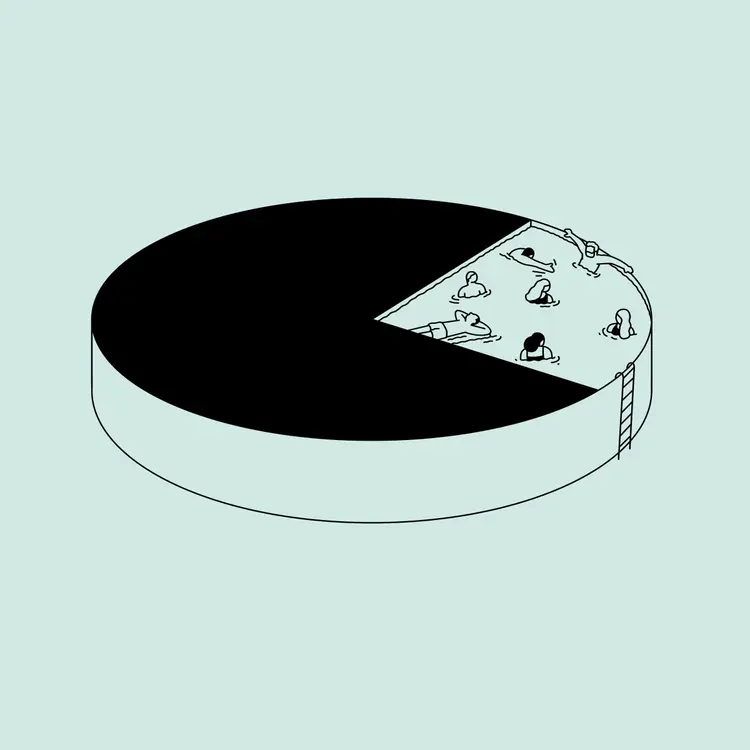
Being a fund manager sounds glamorous on a pitch deck and looks very different on a Tuesday afternoon. At its core, the job is simple to state and hard to do: raise money from limited partners (LPs), invest it into companies or assets, return more than you took in, and do it all inside a 10-year clock. Everything else — the strategy decks, the Delaware filings, the calls that run long — is in service of those four things.
The structure you live inside
Most venture and private equity funds are Delaware limited partnerships. You, the manager, sit at the general partner (GP) entity. A separate management company employs the team and pays the bills. LPs — pension funds, endowments, family offices, funds-of-funds, high-net-worth individuals — commit capital that you call down over a 3-to-5-year investment period. Understanding this three-entity structure (GP, management company, fund) is table stakes. Get it wrong and your lawyer will correct it; get it wrong twice and your LPs will notice.
Raising capital
First-time managers underestimate how long a fund raise takes. Plan on 12 to 18 months of pitching, data room building, reference checks, and follow-ups. LPs are not buying your deck; they are buying your track record, your edge, and — more than anything — their belief that you will still be doing this in ten years. Warm introductions outperform cold outreach by an order of magnitude. A credible anchor LP makes every subsequent conversation easier.
Sourcing and picking deals
Great funds are built on differentiated deal flow. That can mean deep operator networks, a thesis that founders self-select into, content that pulls inbound, or sector specialization that makes you the obvious first call. Once a deal is in front of you, the real work is disciplined diligence: market size, team, product, traction, competition, terms. The best managers develop a consistent decision framework and the humility to pass on 99% of what they see.
Portfolio construction
How many checks, at what stage, with what ownership targets, and how much reserves for follow-ons — these are not afterthoughts. They determine whether a single breakout return can actually make your fund. Most early-stage venture funds need one or two outliers returning 20-50x to deliver a 3x net fund. Model it, then model it again.
Managing the relationship
LPs want transparency, not surprises. Quarterly letters, annual meetings, and clear communication during downturns separate managers who raise a Fund II from those who do not. Your reputation is your actual product.